
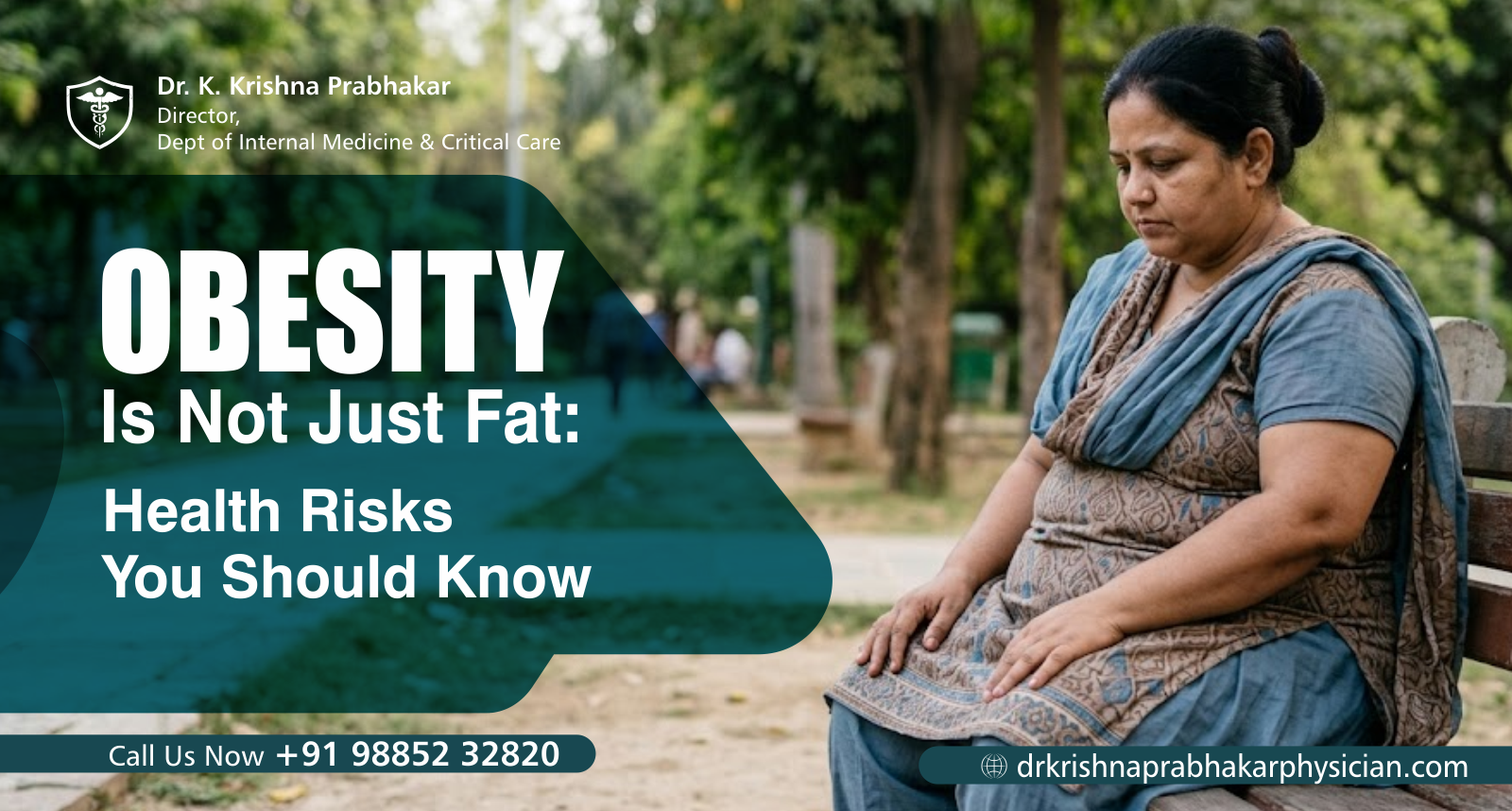
Obesity is a chronic medical condition caused by excessive body fat that affects overall health. It increases the risk of type 2 diabetes, heart disease, stroke, high blood pressure, fatty liver disease, sleep apnoea, joint problems, infertility, and several cancers. Early lifestyle changes, medical evaluation, and personalised treatment can significantly reduce these risks and improve quality of life.
Key Takeaways
- Obesity is a chronic disease, not simply a cosmetic concern.
- Excess body fat affects nearly every organ system.
- Obesity increases the risk of more than 200 health conditions.
- Even a 5–10% reduction in body weight can improve blood sugar, blood pressure, and heart health.
- Sustainable weight management requires a combination of healthy eating, regular physical activity, behavioural changes, and medical guidance when necessary.
Obesity at a Glance
- Condition: Chronic disease caused by excess body fat
- Common Causes: Unhealthy diet, physical inactivity, genetics, hormonal disorders, poor sleep, stress, certain medications
- Common Symptoms: Weight gain, fatigue, breathlessness, joint pain, snoring
- Diagnosis: Body Mass Index (BMI), waist circumference, body composition assessment, clinical evaluation
- Treatment: Lifestyle modification, nutrition counselling, exercise, medications, and bariatric surgery for selected patients
- Prevention: Healthy diet, regular physical activity, adequate sleep, and routine health check-ups
Latest Statistics
- According to the World Health Organization, more than 1 billion people worldwide are living with obesity.
- Global obesity rates have more than doubled in adults since 1990.
- In India, obesity is increasing among both adults and children due to changing lifestyles, reduced physical activity, and unhealthy dietary habits.
- Obesity is associated with an increased risk of type 2 diabetes, cardiovascular disease, fatty liver disease, sleep apnoea, osteoarthritis, and several cancers.
Introduction:
When most people think about obesity, they often picture a number on a weighing scale or clothes that no longer fit comfortably. But obesity is far more than carrying extra weight—it’s a complex medical condition that affects how your body functions from head to toe.
Every day, doctors see patients who are treated for diabetes, heart disease, joint pain, fatty liver disease, infertility, or sleep problems without realising that excess body fat may be contributing to all of them. Obesity doesn’t just change your appearance; it places continuous stress on vital organs, disrupts hormone balance, and increases chronic inflammation throughout the body.
The encouraging news is that even modest, sustained weight loss can significantly improve health. Understanding the risks of obesity is the first step toward making informed lifestyle choices and seeking the right medical support.
What Is Obesity?
Obesity is a chronic disease characterised by excessive accumulation of body fat that increases the risk of illness and affects overall well-being. It develops when calorie intake consistently exceeds the body’s energy requirements over time, although genetics, hormones, medications, mental health, and lifestyle also play important roles.
Doctors commonly use the Body Mass Index (BMI) as a screening tool, but BMI alone does not tell the complete story. Waist circumference, body fat distribution, muscle mass, and metabolic health are also important when assessing obesity-related health risks.
Obesity should not be viewed as a lack of willpower or personal failure. It is a medical condition influenced by biological, environmental, behavioural, and social factors.
Why Is Obesity More Than Just Extra Fat?
Body fat is not simply a storage site for excess calories. It is an active tissue that releases hormones and inflammatory substances affecting multiple organs.
Excess body fat can:
- Increase chronic inflammation.
- Reduce insulin sensitivity.
- Raise blood pressure.
- Alter cholesterol levels.
- Affect hormone production.
- Increase the workload on the heart.
- Place excessive stress on joints and bones.
This is why obesity is considered a major risk factor for many chronic diseases rather than just a cosmetic issue.
What Causes Obesity?
Obesity rarely develops because of a single reason. In most people, it results from a combination of factors.
1. Unhealthy Eating Habits
Frequent consumption of calorie-dense foods, sugary drinks, oversized portions, and highly processed snacks can contribute to gradual weight gain.
2. Physical Inactivity
Modern lifestyles often involve prolonged sitting, screen time, and limited physical activity. Reduced energy expenditure makes it easier to gain weight over time.
3. Genetics
Some people inherit genes that influence appetite, metabolism, and fat storage. While genetics can increase susceptibility, healthy lifestyle habits still play an important role.
4. Hormonal Disorders
Conditions such as hypothyroidism, Cushing’s syndrome, and polycystic ovary syndrome (PCOS) can contribute to weight gain in some individuals.
5. Poor Sleep
Inadequate sleep affects hormones that regulate hunger and fullness, making people more likely to overeat.
6. Chronic Stress
Long-term stress can increase cortisol levels, leading to increased appetite, emotional eating, and fat accumulation, especially around the abdomen.
7. Certain Medications
Some antidepressants, steroids, antipsychotics, and other medicines may contribute to weight gain. Never stop prescribed medications without consulting your doctor.
What are the Health Risks of Obesity?
Obesity affects almost every organ in the body.
Type 2 Diabetes
Excess body fat reduces the body’s ability to use insulin effectively, increasing the risk of insulin resistance and type 2 diabetes.
Heart Disease and Stroke
Obesity contributes to high blood pressure, abnormal cholesterol levels, and inflammation, all of which increase the risk of heart attack and stroke.
High Blood Pressure
Extra body weight increases the workload on the heart and blood vessels, often leading to hypertension.
Fatty Liver Disease
Fat accumulation in the liver can progress from simple fatty liver to inflammation, fibrosis, and even cirrhosis if left untreated.
Sleep Apnoea
People with obesity are more likely to develop obstructive sleep apnoea, a condition where breathing repeatedly stops during sleep.
Joint Problems
Excess weight places additional stress on the knees, hips, and spine, increasing the risk of osteoarthritis and chronic pain.
Reproductive Health
Obesity can affect fertility in both men and women. In women, it is linked with menstrual irregularities and PCOS, while in men it may affect testosterone levels and sperm quality.
Increased Cancer Risk
Research has linked obesity with a higher risk of several cancers, including colorectal, breast (after menopause), endometrial, kidney, oesophageal, liver, pancreatic, and ovarian cancers.
What are the Early Signs of Obesity?
Many people focus only on body weight, but obesity often causes subtle symptoms long before serious diseases develop.
Watch for:
- Breathlessness after mild activity
- Loud snoring or disturbed sleep
- Persistent fatigue
- Knee or back pain
- Difficulty climbing stairs
- Excessive sweating
- Reduced stamina
- Dark patches of skin around the neck or underarms (which may suggest insulin resistance)
Recognising these signs early allows timely lifestyle changes and medical intervention.
Expert Insight
“Obesity is not simply about weight—it’s about overall health. Two people with the same body weight may have very different health risks depending on factors such as fat distribution, blood pressure, blood sugar, cholesterol levels, and physical fitness. A comprehensive medical evaluation is far more valuable than focusing on the weighing scale alone.”
How Is Obesity Diagnosed?
Obesity is more than a number on the weighing scale. Doctors assess your overall health rather than relying on body weight alone. During the evaluation, they consider your medical history, lifestyle, family history, and the presence of obesity-related conditions such as diabetes, high blood pressure, or sleep apnoea.
The goal is not only to determine whether a person has obesity but also to understand how excess body fat is affecting their health.
What are the Tests and Assessments for Obesity?
Your doctor may recommend the following:
Body Mass Index (BMI)
BMI is a screening tool that compares your weight to your height.
According to the World Health Organization:
- Below 18.5: Underweight
- 18.5–24.9: Healthy weight
- 25–29.9: Overweight
- 30 or above: Obesity
Note: For Asian and Indian populations, health risks often begin at lower BMI levels. Your doctor may use Asian-specific BMI recommendations during assessment.
Waist Circumference
Where fat is stored matters.
Excess abdominal fat is associated with a higher risk of diabetes, heart disease, and metabolic syndrome, even in people who may not appear severely overweight.
Blood Tests
Your doctor may recommend:
- Blood sugar (Fasting Blood Sugar and HbA1c)
- Lipid profile (cholesterol and triglycerides)
- Liver function tests
- Thyroid function tests (if indicated)
- Kidney function tests
These tests help identify obesity-related complications and guide treatment.
Blood Pressure Assessment
Since obesity significantly increases the risk of hypertension, blood pressure is routinely checked during evaluation.
Can Obesity Be Treated?
Yes. Obesity is a treatable medical condition.
Successful treatment focuses on long-term lifestyle changes rather than quick weight-loss solutions. The best results are achieved through a personalised plan based on age, health conditions, lifestyle, and weight-loss goals.
What are the Treatment Options for Obesity?
1. Lifestyle Modification
Lifestyle changes remain the foundation of obesity management.
These include:
- Eating a balanced, nutrient-rich diet
- Reducing intake of processed and sugary foods
- Controlling portion sizes
- Increasing daily physical activity
- Improving sleep quality
- Managing stress effectively
Small, sustainable changes are far more effective than restrictive fad diets.
2. Nutrition Counselling
A registered dietitian or nutrition specialist can help create an eating plan that suits your medical condition, food preferences, and lifestyle.
The focus should be on developing healthy habits that can be maintained over time rather than following temporary diets.
3. Regular Physical Activity
Exercise supports weight loss, improves heart health, and enhances overall well-being.
Adults should aim for:
- At least 150–300 minutes of moderate-intensity exercise each week
- Muscle-strengthening activities at least twice weekly
Choose activities you enjoy, such as walking, cycling, swimming, dancing, yoga, or strength training, to make exercise sustainable.
4. Medications
For some individuals, lifestyle changes alone may not be enough.
Doctors may prescribe weight-management medications for selected patients after evaluating:
- BMI
- Existing health conditions
- Previous weight-loss efforts
- Potential benefits and risks
These medicines should always be used under medical supervision and alongside lifestyle modifications.
5. Bariatric Surgery
Weight-loss surgery may be recommended for people with severe obesity or obesity-related complications when other treatments have not been successful.
Common procedures include:
- Sleeve gastrectomy
- Gastric bypass
Bariatric surgery is not a cosmetic procedure. It is a medically approved treatment that can improve diabetes, blood pressure, sleep apnoea, and overall quality of life in carefully selected patients.
Can Obesity Be Prevented?
Although genetics play a role, many cases of obesity can be prevented or managed through healthy lifestyle habits.
Healthy Habits That Make a Difference
- Eat more fruits, vegetables, whole grains, and lean proteins.
- Limit sugary drinks and processed foods.
- Stay physically active every day.
- Sleep for 7–9 hours each night.
- Manage stress in healthy ways.
- Monitor your weight regularly.
- Schedule routine health check-ups.
Preventing obesity is often easier than treating its long-term complications.
Myth vs Fact
Myth: Obesity is simply caused by eating too much.
Fact: Obesity results from a combination of genetics, hormones, metabolism, lifestyle, medications, sleep, and environmental factors.
Myth: Losing weight is only about willpower.
Fact: Weight management is complex and often requires medical guidance, behavioural support, and long-term lifestyle changes.
Myth: Thin people are always healthy.
Fact: People with a normal body weight can also have diabetes, fatty liver disease, or unhealthy body fat distribution.
Myth: Crash diets are the fastest way to lose weight.
Fact: Rapid weight loss is often temporary and may lead to nutritional deficiencies or weight regain.
Doctor’s Clinical Pearl
Many people wait until obesity leads to diabetes, knee pain, or heart disease before seeking help. The best time to address obesity is before complications develop. Even losing 5–10% of your body weight can significantly improve blood sugar, blood pressure, cholesterol levels, and overall health.
People Also Ask
Is obesity considered a disease?
Yes. Major medical organisations recognise obesity as a chronic disease because it affects multiple body systems and increases the risk of several serious health conditions.
How do I know if I am obese?
Doctors commonly use Body Mass Index (BMI), waist circumference, and an overall health assessment to determine whether someone has obesity and assess related health risks.
Can obesity increase the risk of diabetes?
Yes. Obesity is one of the strongest risk factors for insulin resistance and type 2 diabetes.
Is belly fat more dangerous than fat in other areas?
Yes. Excess abdominal fat is linked to a higher risk of heart disease, diabetes, fatty liver disease, and metabolic syndrome.
Can obesity be reversed?
Many people can significantly improve their health through sustained weight loss, healthy eating, regular exercise, behavioural changes, and medical treatment when appropriate.
Frequently Asked Questions
1. What is the main cause of obesity?
Obesity usually develops due to a combination of unhealthy eating habits, reduced physical activity, genetics, hormonal factors, poor sleep, stress, and certain medications.
2. Can obesity affect children?
Yes. Childhood obesity is increasing worldwide and can raise the risk of diabetes, high blood pressure, and emotional health concerns later in life.
3. Is BMI always accurate?
BMI is a useful screening tool but does not measure body fat distribution or muscle mass. Doctors often use it alongside other assessments.
4. Can obesity cause joint pain?
Yes. Excess weight places additional stress on the knees, hips, ankles, and spine, increasing the risk of osteoarthritis and chronic pain.
5. When should I consult a doctor about my weight?
If excess weight is affecting your daily activities, or if you have diabetes, high blood pressure, sleep problems, or difficulty losing weight despite lifestyle changes, consult a healthcare professional.
6. Can obesity increase cancer risk?
Yes. Research shows obesity is associated with a higher risk of several cancers, including colorectal, breast (post-menopausal), endometrial, liver, kidney, and pancreatic cancers.
7. Is bariatric surgery safe?
For appropriately selected patients, bariatric surgery is considered a safe and effective treatment when performed by experienced specialists.
8. Can I lose weight without exercising?
Diet plays a major role in weight loss, but combining healthy eating with regular physical activity provides better long-term results and overall health benefits.
Conclusion:
Obesity is far more than excess body fat—it is a chronic disease that can affect almost every organ in the body. From diabetes and heart disease to joint problems, infertility, sleep disorders, and certain cancers, the impact of obesity extends well beyond appearance. The encouraging news is that even modest, sustained weight loss can lead to meaningful improvements in health and quality of life. If you’re concerned about your weight or related health conditions, seeking professional guidance early can help you adopt a safe, personalised, and sustainable approach to better health.
Why Choose Renova Hospitals?
At Renova Hospitals, our multidisciplinary team of physicians, endocrinologists, nutritionists, bariatric surgeons, and lifestyle specialists provides comprehensive obesity management tailored to individual needs. From detailed health assessments and nutritional counselling to medical therapy and advanced bariatric surgery, we focus on helping patients achieve sustainable weight loss, reduce obesity-related health risks, and improve long-term well-being through evidence-based care.
References:
https://www.cdc.gov/diabetes/about/about-type-2-diabetes.html
https://www.stroke.org/en/about-stroke
https://www.betterhealth.vic.gov.au/health/conditionsandtreatments/liver-fatty-liver-disease
https://www.who.int/news-room/fact-sheets/detail/hypertension
https://www.nhs.uk/conditions/sleep-apnoea
https://www.cdc.gov/obesity/index.html
https://www.mayoclinic.org/tests-procedures/bariatric-surgery/about/pac-20394258