
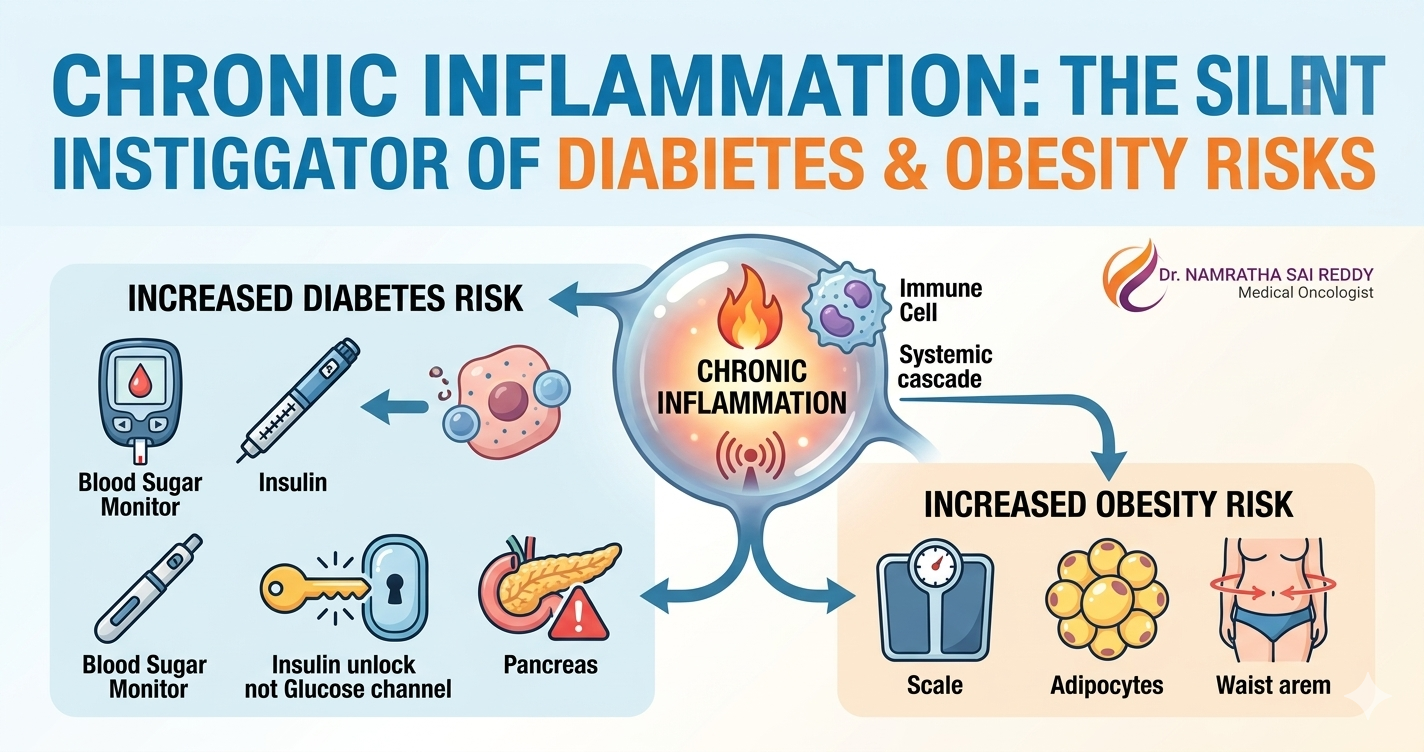
In recent years, scientists have begun uncovering a deeper connection between chronic inflammation and the lifestyle diseases affecting millions of people today. Among the most alarming are Type 2 Diabetes and Obesity, two conditions that have reached epidemic scale.
Key Takeaways
- Chronic inflammation is a hidden driver of Type 2 Diabetes and Obesity.
- Visceral fat releases inflammatory chemicals that disrupt metabolism.
- Inflammation worsens insulin resistance and raises diabetes risk.
- Poor diet, inactivity, stress, and lack of sleep increase inflammation.
- Healthy lifestyle changes can significantly reduce inflammatory activity.
According to the World Health Organization, about 16% of all adults globally, over one billion people, were living with obesity in 2022, with prevalence having more than doubled since 1990. Meanwhile, the IDF Diabetes Atlas 11th Edition estimates that 589 million adults are currently living with diabetes worldwide, a figure projected to rise to 853 million by 2050.
What Is Chronic Inflammation?
Inflammation is the body’s natural defence mechanism. When you get injured or infected, the immune system triggers an acute inflammatory response to protect and repair tissues. This short-term reaction is beneficial and necessary.
Chronic inflammation is an entirely different phenomenon. When this inflammatory state persists for months or years at a low grade, it begins to quietly damage tissues and disrupt normal metabolic function. A 2024 editorial in Frontiers in Endocrinology now frames both obesity and Type 2 Diabetes not as purely metabolic diseases, but as major inflammatory diseases, a distinction that changes how we should think about prevention and treatment.
Chronic inflammation has been linked to cardiovascular disease, certain cancers, neurological disorders, and, most relevant here, Type 2 Diabetes and Obesity.
How Inflammation Contributes to Obesity
Fat tissue is not simply a storage site for excess calories. It is an active endocrine organ that secretes hormones and inflammatory molecules. When excess fat accumulates, particularly visceral fat around the abdominal organs, it triggers the release of inflammatory substances known as cytokines, most notably TNF-α (tumour necrosis factor-alpha) and IL-6 (interleukin-6). These molecules signal the immune system and sustain a persistent inflammatory state throughout the body.
Over time, this inflammation disrupts the hormonal balance that regulates appetite and metabolism, increases fat storage, reduces the body’s ability to burn energy efficiently, and promotes further weight gain. The result is a reinforcing cycle: obesity drives inflammation, and inflammation drives more obesity, making weight management progressively harder without intervention.
A 2024 Lancet pooled analysis of 3,663 population-representative studies confirmed that more than one billion adults are now living with obesity globally, with particularly rapid growth in low- and middle-income countries.
The Link Between Inflammation and Type 2 Diabetes
Chronic inflammation also plays a central role in the development of Type 2 Diabetes, primarily through its impact on insulin resistance. Insulin is the hormone that allows glucose to enter cells and be used for energy.
When inflammatory cytokines interfere with insulin signalling pathways, particularly the insulin receptor substrate (IRS) pathway, the body becomes progressively less responsive to insulin.
As insulin resistance deepens, blood sugar levels rise, the pancreas produces more insulin to compensate, and eventually, the pancreatic beta cells cannot keep up. This progression leads to Type 2 Diabetes.
The causal weight of inflammation in this process is substantial. A landmark 9-year case-cohort study published in Diabetology & Metabolic Syndrome, following over 1,100 middle-aged adults in the ARIC Study, found that obese individuals had a 6.4 times higher risk of developing diabetes compared to those with a healthy BMI.
Critically, when researchers adjusted the data for inflammation markers, this risk was halved, demonstrating that inflammation is not merely a bystander but a core causal mechanism in the obesity-to-diabetes pathway.
The World Obesity Federation and the International Diabetes Federation estimate that obesity is responsible for approximately 43% of all Type 2 Diabetes cases globally, rising to 80–85% in some population groups. WHO reports that global adult diabetes prevalence doubled from 7% to 14% between 1990 and 2022, a trajectory directly linked to the parallel rise in obesity and inflammatory metabolic disease.
Common Causes of Chronic Inflammation
Several modern lifestyle factors are now well-established contributors to long-term, low-grade inflammation.
Poor diet. Highly processed foods, refined sugars, and trans fats trigger pro-inflammatory cytokine release and damage the gut microbiome, which plays a key role in regulating immune activity.
Excess body fat. Visceral adipose tissue actively secretes TNF-α, IL-6, and other inflammatory molecules. The relationship is dose-dependent, risk rises in proportion to BMI and abdominal circumference.
Physical inactivity. A sedentary lifestyle reduces the body’s capacity to regulate immune responses, worsens insulin sensitivity, and allows inflammatory signalling to go unchecked.
Chronic stress. Persistent psychological stress elevates cortisol levels, which promotes pro-inflammatory pathways and suppresses anti-inflammatory immune mechanisms over time.
Poor sleep quality. Sleep deprivation is independently associated with elevated levels of CRP (C-reactive protein), IL-6, and TNF-α, three of the key markers of systemic inflammation.
Warning Signs to Watch For
Chronic inflammation typically develops silently, without obvious symptoms. However, there are signs that may indicate an underlying inflammatory state, particularly if several are present at the same time:
- Persistent fatigue that does not improve with rest
- Frequent infections or unusually slow recovery from illness
- Unexplained weight gain, especially concentrated around the abdomen
- Elevated fasting blood sugar or HbA1c readings
- Recurring joint or muscle pain without obvious injury
- High-sensitivity C-reactive protein (hsCRP) is elevated in blood tests
If you recognise several of these, it is worth speaking to a doctor. A simple blood panel measuring hsCRP can help detect low-grade systemic inflammation that may otherwise go unnoticed for years.
How to Reduce Chronic Inflammation
The most important finding from recent research is that chronic inflammation is largely modifiable through lifestyle. A major review in Circulation Research confirmed that dietary interventions, caloric restriction, and intermittent fasting all reduce adipose tissue inflammation, which may partly explain their broad metabolic benefits.
Even a modest weight loss of 5 to 15% of body weight has been shown to significantly improve glycemic control and reduce the need for antihyperglycemic medications.
Adopt an anti-inflammatory diet – Focus on whole, minimally processed foods: vegetables, fruits, legumes, oily fish rich in omega-3 fatty acids, extra-virgin olive oil, nuts, seeds, and whole grains. Minimise ultra-processed foods, refined sugars, trans fats, and excessive alcohol.
Exercise regularly – Both aerobic activity and resistance training reduce circulating inflammatory cytokines and improve insulin sensitivity. The WHO recommends at least 150 minutes of moderate aerobic activity per week for adults.
Reduce excess abdominal fat – Because visceral fat is the primary source of inflammatory cytokines, reducing it even by a small amount produces measurable improvements in inflammatory markers. Abdominal circumference is often a more useful indicator than overall BMI.
Manage stress actively – Mindfulness-based stress reduction (MBSR), yoga, breathing exercises, and time in nature have all been shown to lower cortisol levels and reduce inflammatory activity in clinical settings.
Prioritise quality sleep – Aim for 7 to 8 hours of uninterrupted sleep each night. Poor sleep is now recognised as an independent risk factor for elevated inflammatory markers and metabolic dysfunction.
Act Early to Protect Metabolic Health
Chronic inflammation is now recognised as a key force behind both Type 2 Diabetes and Obesity. The encouraging reality is that it is also highly modifiable.
Adopting an anti-inflammatory lifestyle, prioritising nutritious food, regular physical activity, quality sleep, and stress management can significantly reduce inflammation and lower long-term metabolic risk. Detecting and addressing inflammation early may be one of the most powerful steps in preventing chronic disease and protecting long-term health.
FAQs
1. What is chronic inflammation?
Chronic inflammation is a long-term immune response that persists for months or years and gradually damages tissues and metabolic processes.
2. How is inflammation linked to diabetes?
Inflammation interferes with insulin signalling, leading to insulin resistance and increasing the risk of Type 2 Diabetes.
3. Does obesity cause inflammation?
Yes. Excess body fat, especially abdominal fat, releases inflammatory chemicals that contribute to Obesity-related metabolic problems.
4. Can inflammation make it harder to lose weight?
Yes. Chronic inflammation disrupts hormones that regulate appetite and metabolism, making weight loss more difficult.
5. How can chronic inflammation be detected?
Doctors often use blood tests such as high-sensitivity C-reactive protein (hsCRP) to identify low-grade inflammation.
6. What are common symptoms of chronic inflammation?
Persistent fatigue, unexplained weight gain, frequent infections, joint pain, and elevated blood sugar may signal an inflammatory state.
7. Which foods help reduce inflammation?
Fatty fish, vegetables, fruits, nuts, seeds, olive oil, and whole grains are known to support an anti-inflammatory diet.
8. Does exercise help reduce inflammation?
Yes. Regular physical activity improves insulin sensitivity and lowers inflammatory markers in the body.
9. Can poor sleep increase inflammation?
Yes. Chronic sleep deprivation is linked to higher levels of inflammatory markers like CRP and IL-6.
10. Is chronic inflammation reversible?
In many cases, lifestyle changes such as healthy eating, exercise, weight management, stress control, and good sleep can significantly reduce inflammation.